Short answer: Amazon's requirements for private label supplements center on third-party verification. Since April 2024, each supplement must be verified by a testing, inspection and certification (TIC) organization before it can be listed, Amazon no longer accepts Certificates of Analysis sent directly by sellers, and you need documentation of current GMP certification. Products certified to NSF/ANSI 173 or NSF 229 already meet the policy. [1]
Definition: A TIC organization is an independent testing, inspection and certification company that Amazon relies on to check that a supplement is what its label says and is made under good manufacturing practices. For a private label brand, the TIC review is the gate between a finished production run and a live listing.
- 1
Pick the formula and facility with Amazon in mind.
- 2
Lock the label before the run.
- 3
Get the batch COA.
- 4
Request TIC verification per ASIN in Manage Your Compliance, and send the TIC what it asks for.
- 5
Prep and ship inbound only once verification is cleared, so units don't sit in a warehouse they can't sell from.
Key rules at a glance
- April 2, 2024: Amazon's third-party verification requirement for dietary supplements took effect. [1]
- No direct COAs: Amazon no longer accepts COAs directly from sellers. [1]
- GMP proof: documentation of current GMP certification is required. [1]
- Already certified: products certified to NSF/ANSI 173 or NSF 229 are compliant. [1]
- No FDA pre-approval: FDA does not have the authority to approve supplements before they are marketed. [3]
- 21 CFR Part 111: the cGMP rule for making, packaging, labeling and holding dietary supplements. [4]
What changed in Amazon's supplement policy in 2024?
Under the earlier policy, NutraIngredients reported, sellers submitted Certificates of Analysis (COAs) from an ISO/IEC 17025 accredited lab. [5] According to NSF's summary of the policy, the rules "effective from April 2, 2024, mandate third-party verification for dietary supplement products," and "Amazon no longer accepts CoAs directly from sellers." [1] Instead, each product goes through a TIC organization that reports to Amazon.
The change had real teeth. NutraIngredients reported that NOW Health Group received more than a dozen Amazon emails on April 4, 2024 about delisting products for missing compliance requirements. [5] If you are planning an Amazon launch, build verification into your timeline instead of treating it as paperwork after the run.
What does Amazon ask for before a supplement can be listed?
NSF lists the information sellers provide for verification, including: [1]
- The Amazon Standard Identification Number (ASIN) and Global Trade Item Number (GTIN)
- Product brand name and product description
- Manufacturing facility details
- Documentation of current Good Manufacturing Practices (GMP) certification
Testing is started per product. NutraIngredients quotes Amazon's instructions that "you must use the Manage Your Compliance dashboard to initiate a test for each product" with a TIC. [5] Amazon's policy page sits inside Seller Central, so check the current version in your own account before you launch; the details can change.
What does the TIC test check?
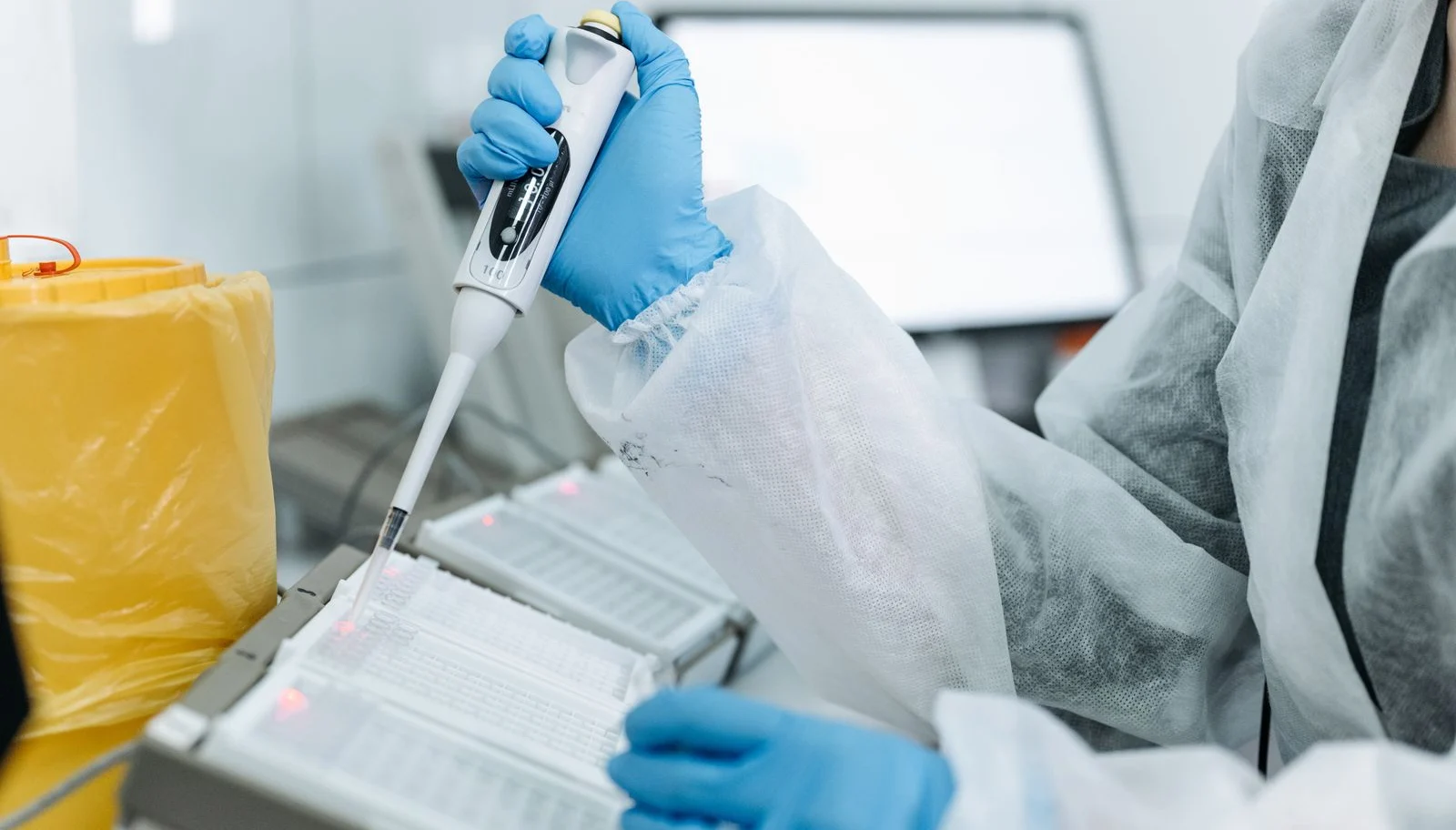
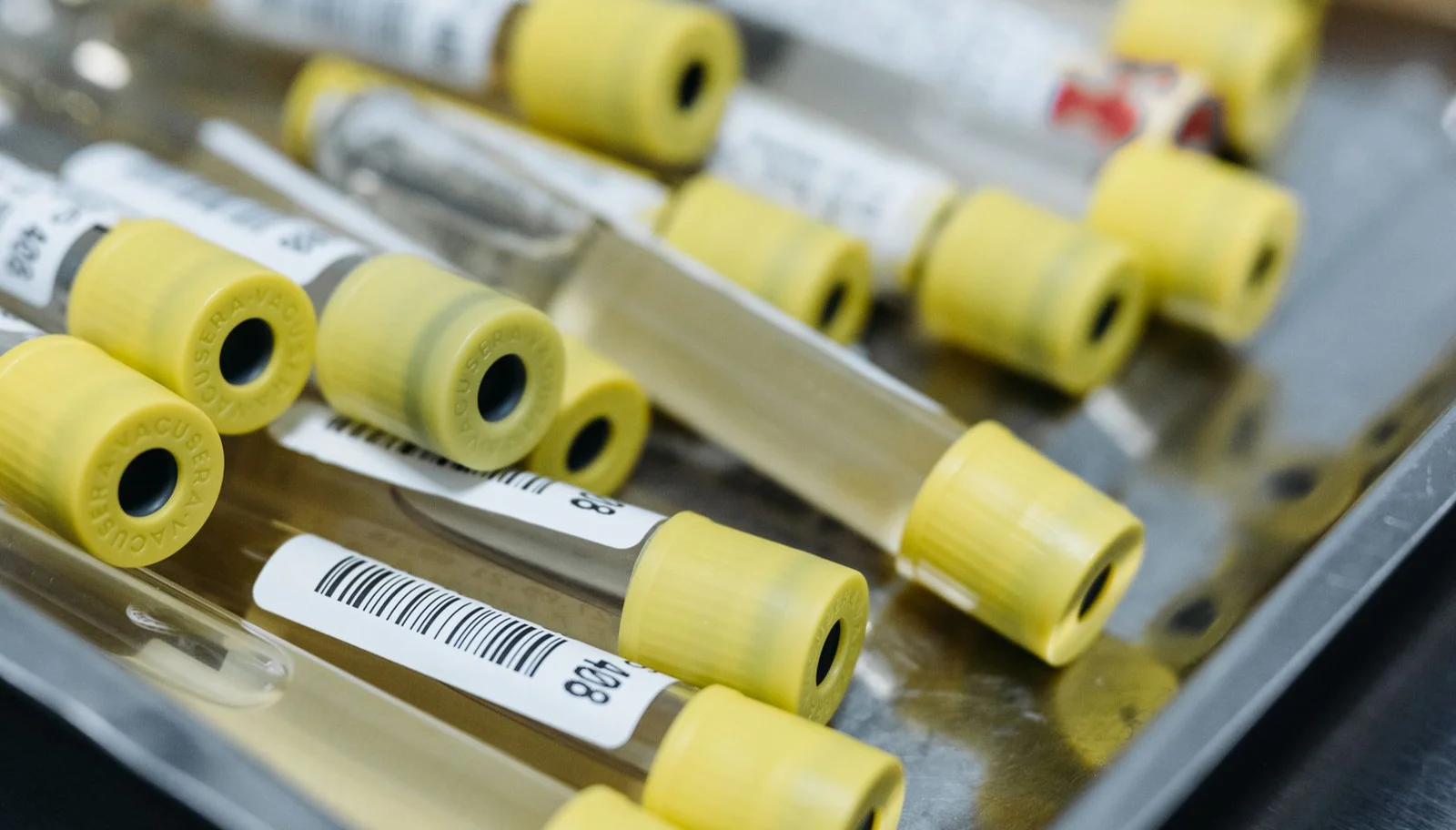
Testing lab Certified Laboratories, in its FAQ on the policy, lists screening for heavy metals, microbial contaminants, pesticides (where the ingredients call for it), verification of content claims, and a screen for active pharmaceutical ingredients based on the product's risk category. It also says Amazon prioritized higher-risk categories such as sexual enhancement, weight management, and bodybuilding and sports nutrition, and that labels must accurately represent the product as verified by the TIC and comply with FDA supplement labeling rules. [6]
If your product is already certified to NSF/ANSI 173, NSF says it is compliant. [1] NSF describes that certification as a label claim review ("what's on the label is in the bottle"), a contaminant review for undeclared ingredients or unacceptable contaminant levels, and a toxicology review of added ingredients. [2]
Who does what: the brand, the manufacturer or the TIC?
FDA's own rules sit underneath Amazon's. FDA says it "does not have the authority to approve dietary supplements before they are marketed," and a firm is responsible for making sure the supplements it manufactures or distributes are not adulterated. [3] Manufacturing has to follow FDA's dietary supplement cGMP rule, 21 CFR Part 111, which requires specifications for the identity, purity, strength and composition of each finished batch. [4] Amazon's policy builds on that.
| Task | Usually handled by | What to confirm |
|---|---|---|
| Make the product under 21 CFR Part 111 cGMP | Manufacturer | Which facility makes it, and what GMP certificate it holds |
| Batch specifications and COA | Manufacturer | That the COA matches the label claims for your lot |
| Label and listing claims | Brand owner | Supplement Facts and claims follow FDA rules and match the tested product |
| Start TIC verification for each ASIN | Seller (usually the brand) | Request it in Manage Your Compliance in Seller Central |
| Testing, inspection and report to Amazon | TIC organization | Which tests apply to your product category |
| FBA prep and shipping into Amazon | Brand, manufacturer or 3PL | FNSKU labels, polybags and case packs are done before inbound |
Sources: NSF; Certified Laboratories; FDA; 21 CFR Part 111. "Usually handled by" reflects common private label practice; your contract decides.
Make the product under 21 CFR Part 111 cGMP
Manufacturer
Which facility makes it, and what GMP certificate it holds
Batch specifications and COA
Manufacturer
That the COA matches the label claims for your lot
Label and listing claims
Brand owner
Supplement Facts and claims follow FDA rules and match the tested product
Start TIC verification for each ASIN
Seller (usually the brand)
Request it in Manage Your Compliance in Seller Central
Testing, inspection and report to Amazon
TIC organization
Which tests apply to your product category
FBA prep and shipping into Amazon
Brand, manufacturer or 3PL
FNSKU labels, polybags and case packs are done before inbound
Have a product in mind? Ask us directly.
Ready to price your product? Start a Project →
The Lab-to-Listing Path: 5 steps from production to a live Amazon listing
- 1.Pick the formula and facility with Amazon in mind. Ask your manufacturer which facility will make the product and what GMP certification documentation it can provide.
- 2.Lock the label before the run. Claims, Supplement Facts and serving size should match the formula exactly. See our private label supplement label requirements.
- 3.Get the batch COA. Know what each line means; see what a supplement COA should show.
- 4.Request TIC verification per ASIN in Manage Your Compliance, and send the TIC what it asks for.
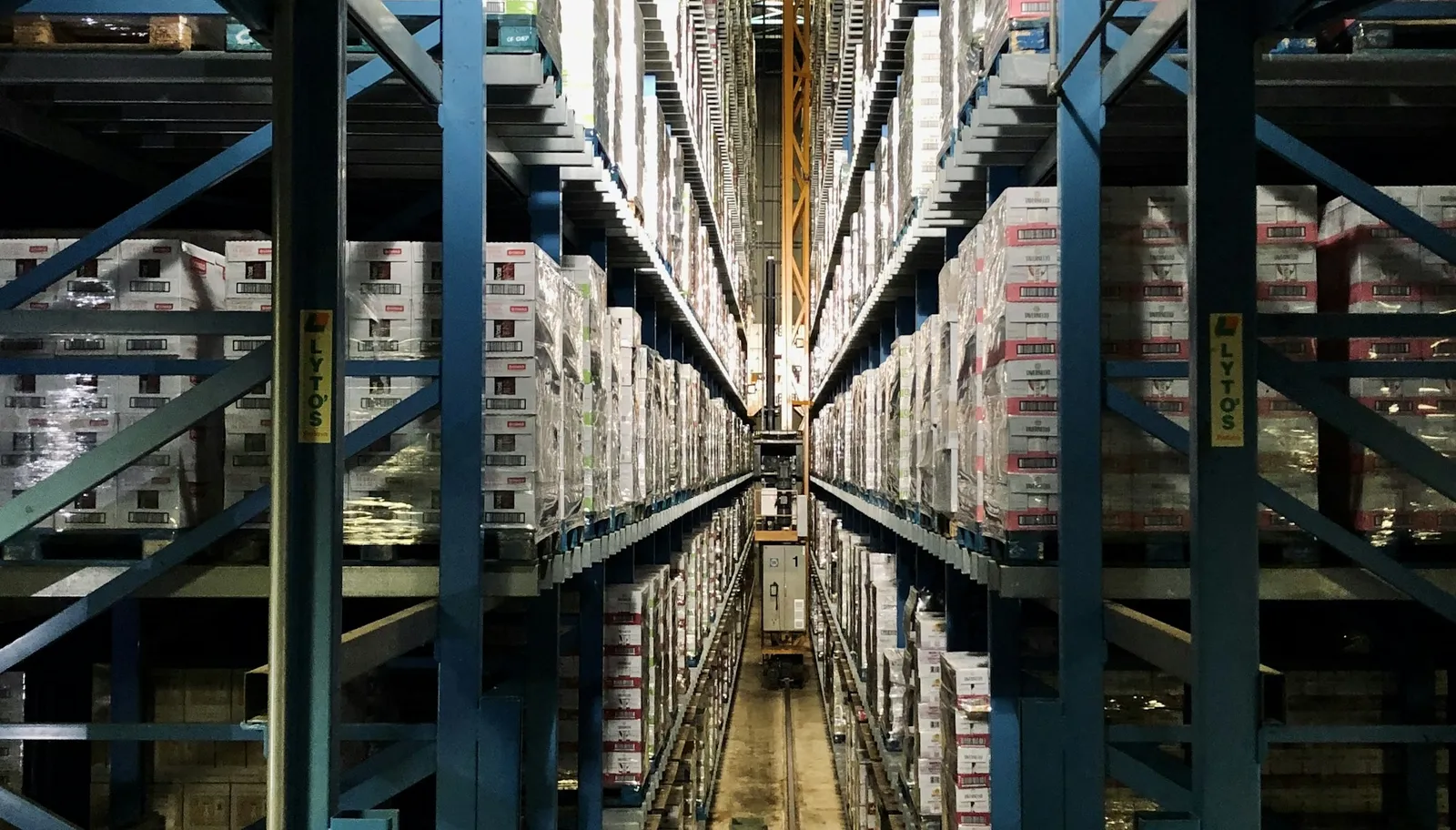
- 5.Prep and ship inbound only once verification is cleared, so units don't sit in a warehouse they can't sell from.
Amazon-Ready Supplement Checklist (printable)
Download the fillable checklist (PDF)
Before you send inventory to Amazon, confirm each of these:
- Product is a dietary supplement (not making drug claims)
- Manufacturing facility name and details on file
- Current GMP certification documentation from the facility
- Batch COA that matches the label claims
- Final label artwork that follows FDA supplement labeling rules
- Listing copy that matches the label (no extra claims)
- ASIN and GTIN (barcode) assigned
- TIC verification requested in Manage Your Compliance
- FBA prep plan: FNSKU labels, polybagging, case packs
- Lot codes recorded for every shipment
How PMG helps brands selling supplements on Amazon
PMG makes private label supplements in FDA-registered, GMP-compliant partner facilities. Stock supplements start from 1,000 units (varies by format) and usually launch in 60–90 days; see nutraceuticals and supplements. You receive COA documentation for your batch, and our fulfillment team handles Amazon FBA prep: FNSKU labeling, polybagging, suffocation warnings, bundling and case packing. Tell us at quote stage that Amazon is a channel so the facility documents can be planned in from the start. If you're also heading to stores, read what retailers require, then start a project.
Frequently asked questions
Can I still upload my own COA to Amazon?
Not directly. According to NSF, Amazon no longer accepts COAs directly from sellers; verification runs through a TIC organization. [1]
Do I need NSF certification to sell supplements on Amazon?
No, but it helps. NSF says products already certified to NSF/ANSI 173 or NSF 229 are compliant. Other products go through TIC testing. [1]
Is verification done once per brand or per product?
Per product. Amazon's instructions, as quoted by NutraIngredients, say to initiate a test for each product in the Manage Your Compliance dashboard. [5]
Does FDA approve my supplement before I sell it on Amazon?
No. FDA does not have the authority to approve dietary supplements before they are marketed. The firm that makes or distributes it is responsible for making sure it isn't adulterated. [3]
Who provides the GMP documentation?
It comes from the facility that makes the product. Ask your manufacturer what GMP certification documentation it can share before you sign.
Glossary
- TIC: testing, inspection and certification organization.
- COA: Certificate of Analysis, the lab results for a specific batch.
- cGMP: current Good Manufacturing Practice; for supplements, 21 CFR Part 111.
- ASIN: Amazon Standard Identification Number, Amazon's product ID.
- GTIN: Global Trade Item Number, the product number a UPC barcode carries.
- NSF/ANSI 173: NSF's product certification standard for dietary supplements.
- FNSKU: Amazon's fulfillment label code used for FBA inventory.
Have a product in mind? Ask us directly.
Turnkey or Consigned Ingredients? Should You Supply Your Own Raw Materials to a Supplement or Skincare Manufacturer?
Turnkey vs consigned ingredients for supplement and skincare brands: what FDA's GMP rules require, hidden costs, and a 10-point readiness checklist.
Read the article →What Should You Send a Contract Manufacturer to Get an Accurate Quote? A Product Brief Checklist for Supplement and Skincare Brands
The 9-line product brief for an accurate supplement or skincare manufacturing quote: claims, quantity, packaging, testing, channels and budget.
Read the article →How Do You Price a Private Label Supplement or Skincare Product? Cost per Unit, Margins for Amazon, Retail and DTC
Turn your cost per unit into a shelf price: what you keep on Amazon, your own site and in retail, keystone vs margin, and a pricing checklist.
Read the article →What Happens If Your Private Label Supplement or Skincare Product Has to Be Recalled? Lot Codes, FDA Recall Classes and a Recall-Ready Checklist
What happens if your private label supplement or skincare product is recalled: FDA recall classes, lot code rules, who acts and a recall-ready checklist.
Read the article →Can You Put “Made in USA” on a Private Label Supplement or Skincare Product? The FTC’s “All or Virtually All” Test, Qualified Claims and a Checklist
Can a private label supplement or skincare product say Made in USA? The FTC’s 3-part test, qualified claims, California’s rule and a sourcing checklist.
Read the article →What Changes When You Scale a Private Label Supplement or Skincare Product From Your First Run to 10,000+ Units?
What changes when you scale a private label supplement or skincare product past your first run: batch records, FDA listings, lead times and per-unit cost.
Read the article →Can a Spa or Med Spa Launch Its Own Private Label Skincare Line? Claims, Labels, MoCRA Rules and Minimums
How a spa or med spa launches its own skincare line: which claims make it a drug, what the label needs under MoCRA, professional-use rules and PMG minimums.
Read the article →Capsules, Tablets or Stick Packs? How to Choose a Private Label Supplement Format (Minimums, Testing and Label Rules)
Capsules, tablets or stick packs (sachets)? Compare minimums (from 1,000 units at PMG, varies by format), label wording, testing and FDA rules before choosing a format.
Read the article →What Do Retailers Require Before They Stock Your Private Label Supplement or Skincare Product? Barcodes, Insurance, Testing and Audits
Barcodes, liability insurance, FDA filings, test results and routing guides: the 6 checks retailers run before stocking your private label product.
Read the article →Does Your Private Label Supplement or Skincare Product Need a Prop 65 Warning? Who Decides, What It Says and the 2025 Short-Form Rules
Does your private label supplement or skincare product need a Prop 65 warning? Who's responsible, what it must say, the 2025 short-form rules and a checklist.
Read the article →How Long Does Stability Testing Take for a Private Label Skincare Product? Accelerated vs Real-Time, Challenge Tests and Shelf Life
Accelerated stability testing typically runs about 3 months at PMG, with real-time testing to confirm shelf life. What cosmetics and OTC drugs need.
Read the article →What Should a Supplement Certificate of Analysis (COA) Show? A Line-by-Line Guide for Private Label Brands
What a supplement certificate of analysis must show under 21 CFR 111: methods, limits, actual results, identity and heavy metals, plus a printable checklist.
Read the article →Which Certifications Should a Supplement or Skincare Manufacturer Have? cGMP, NSF, USP, Organic, Kosher and Halal Explained
Certifications a supplement or skincare maker needs: what FDA requires, what NSF, USP and ISO 22716 audits prove, and organic, kosher, halal rules.
Read the article →What Has to Be on a Private Label Supplement Label? Supplement Facts, Claims, Disclaimer and Allergens
What a private label supplement label must include: 5 required statements, Supplement Facts rules, the claims disclaimer, allergens and adverse event contact.
Read the article →Who Is the Responsible Person Under MoCRA When You Private Label a Cosmetic?
Under MoCRA, the company named on a private label cosmetic's label is the responsible person. See who registers, lists and reports adverse events.
Read the article →Is Your Massage Oil or Muscle Rub a Cosmetic or an OTC Drug?
When a massage oil becomes an OTC drug: claims, FDA M017 menthol and camphor levels, child-resistant packaging, Drug Facts, minimums and timelines.
Read the article →Can You Private Label Hotel Amenities? Body Wash, Shampoo and Lotion for Boutique Hotels and Spas
How boutique hotels and spas private label body wash, shampoo and lotion: minimums, timelines, state small-bottle laws and what the label must include.
Read the article →What Is a Pilot Batch, and Can Your First Production Run Be Under 1,000 Units?
Lab sample vs pilot batch vs first production run, why tiny runs cost more per unit, six realistic options below 1,000 units, and a downloadable readiness checklist.
Read the article →Can You Private Label Essential Oils and Aromatherapy Kits for Amazon?
How claims set the FDA category, what Amazon hazmat review needs, when caps must be child-resistant, and PMG's minimums.
Read the article →Can You Make Sugar-Free Pectin Gummies with Allulose?
How the gel changes without sugar, allulose vs sugar alcohols vs monk fruit and stevia, what a sugar-free label needs, and realistic minimums.
Read the article →How to Choose a Private Label Manufacturing Partner
10 questions to ask before you sign, plus a free evaluation checklist.
Read the article →MOQ and Manufacturing Volume: What Actually Matters
Why minimums exist, what they cost below volume, and how to plan a first run you can sell through.
Read the article →How Much Does It Cost to Manufacture Supplements?
A phase-by-phase breakdown of R&D, ingredients, production, packaging, and compliance costs.
Read the article →What Does It Take to Manufacture an OTC Acne Product?
Allowed actives and strengths, Drug Facts labeling, NDCs and registration, and realistic OTC minimums and timelines.
Read the article →Sources and references
- 1.NSF, Amazon's new dietary supplements policy: enhancing safety and compliance https://www.nsf.org/knowledge-library/amazon-new-dietary-supplements-policy-enhancing-safety-compliance
- 2.NSF, Supplement and vitamin certification (NSF/ANSI 173) https://www.nsf.org/consumer-resources/articles/supplement-vitamin-certification
- 3.FDA, Questions and Answers on Dietary Supplements https://www.fda.gov/food/information-consumers-using-dietary-supplements/questions-and-answers-dietary-supplements
- 4.eCFR, 21 CFR Part 111 https://www.ecfr.gov/current/title-21/chapter-I/subchapter-B/part-111
- 5.NutraIngredients, "Amazon updates its dietary supplements seller's policy" (April 5, 2024) https://www.nutraingredients.com/Article/2024/04/05/amazon-updates-its-dietary-supplements-seller-s-policy
- 6.Certified Laboratories, FAQs about Amazon's dietary supplements policy https://certified-laboratories.com/blog/faqs-about-amazons-new-dietary-supplements-policy/
Fact-checked: 23 claims verified against sources; 3 adjusted.
Amazon-Ready Supplement Checklist
A fillable 1-page checklist with all 10 Amazon-readiness checks and a product and listing details worksheet.
PDF · 1 page
About Product Management Group
PMG is a full-service private label manufacturing partner for skincare, nutraceuticals, supplements, personal care, and wellness brands. We handle everything from R&D and formulation through manufacturing, packaging, regulatory compliance, and fulfillment, working with FDA-registered, GMP-compliant partner facilities in Florida, North Carolina, Texas, Minnesota, and Arizona. We work with everyone from first-time founders to established retail brands, with minimums starting at 1,000 units.