Product Management Group
Industry — Nutraceuticals & Supplements

Supplements are a trust business. Your manufacturing partner either earns that trust or destroys it.

Nutraceuticals and dietary supplements are FDA-regulated under DSHEA, with mandatory GMP compliance under 21 CFR Part 111. PMG's partner facilities are GMP-compliant, and our regulatory team understands the difference between a defensible structure-function claim and an FDA (Food and Drug Administration) Warning Letter waiting to happen.

Product Management Group makes private label and custom supplements, including capsules, tablets, powders and gummies, for brands in the US and Latin America. Private label stock supplements: from 1,000 units, varies by format — see individual product pages and usually launch in 60–90 days. Custom formulations are quoted per project, typically starting at 2,500–5,000 units depending on format.

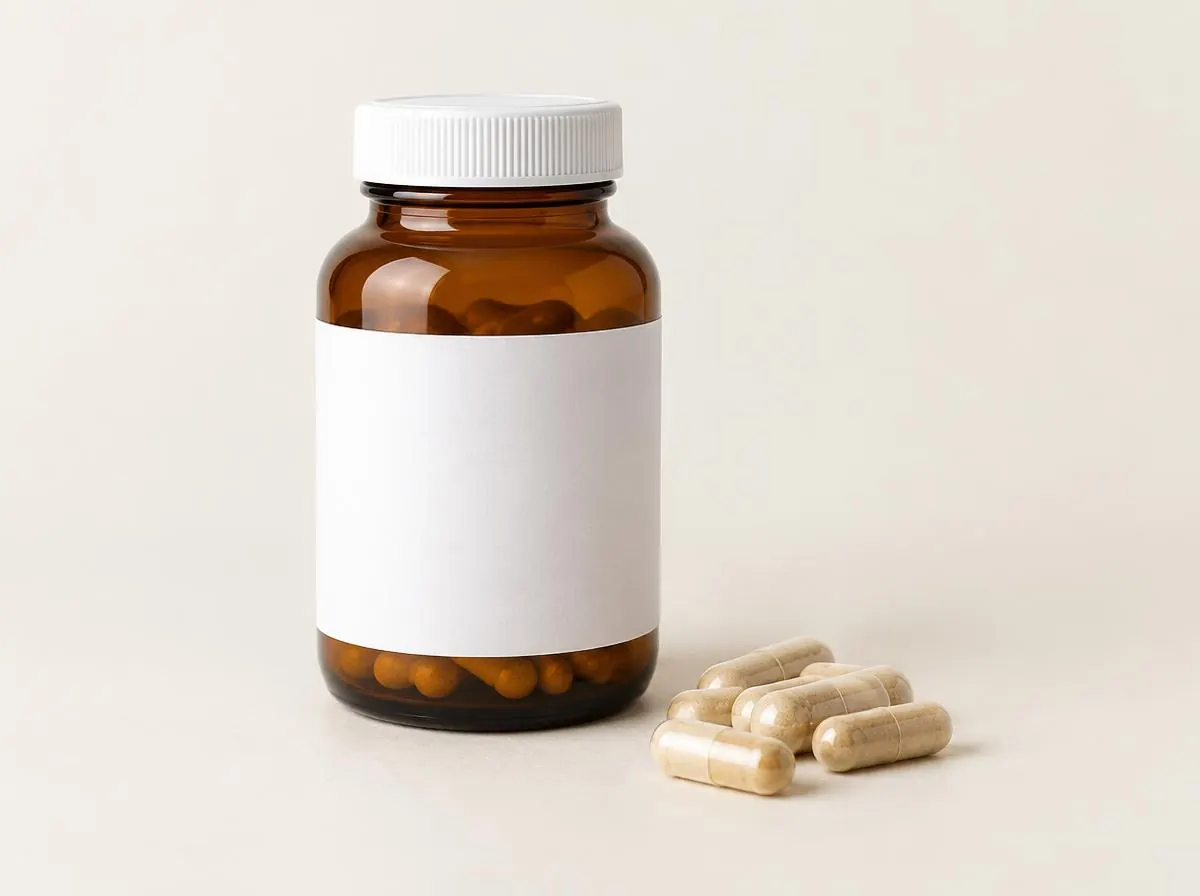
Amber supplement bottle with a blank label and loose capsules

The nutraceuticals & supplements categories we manufacture every day.

Every dosage format, every demanding active, every clean-label claim. We build supplements that pass identity testing, potency verification, and the consumer's read of the label.

  • Capsules (hard gel, vegetarian)
  • Softgels
  • Tablets (coated and uncoated)
  • Gummies (single-active and multi-active)
  • Powders (bulk and stick packs)
  • Liquids and shots
  • Effervescent tablets
  • Protein and meal replacement formats

Three reasons supplement founders work with us instead of a generic contract manufacturer.

01

GMP (Good Manufacturing Practice) compliance as a baseline, not a selling point

21 CFR Part 111 requires rigorous identity testing, contaminant testing, and potency verification for every production run. Our facilities operate to this standard for every client, not just the ones who ask.

02

Structure-function claims that won't invite a Warning Letter

The line between a defensible structure-function claim and an impermissible disease claim is exactly where most supplement brands get into regulatory trouble. Our regulatory team reviews your draft claims against FDA guidance and case precedent before anything goes to print.

03

Technical formats done right

Gummies are technically demanding. Softgels require specialized equipment. Certain actives require coatings for stability or taste masking. We don't upsell format complexity; we tell you honestly what your product needs to perform as claimed.

Supplement manufacturing capabilities at PMG.

  • Capsule filling (HPMC and gelatin)
  • Softgel manufacturing
  • Tablet compression and coating
  • Gummy manufacturing
  • Powder blending and filling
  • Liquid supplement manufacturing
  • Identity and potency testing
  • Stability testing (ICH guidelines)
  • Allergen-free manufacturing options
  • Non-GMO and organic-certified ingredient sourcing
  • NSF and USP certification capability

The compliance landscape for supplement brands launching today.

Dietary supplements are regulated under DSHEA (1994) and the 2007 GMP Final Rule (21 CFR Part 111). Every supplement must have a New Dietary Ingredient notification if the ingredient wasn't marketed before October 15, 1994. Structure-function claims must be truthful, substantiated, and include the required disclaimer. The FTC also regulates advertising claims separately from FDA — meaning a claim that passes the label review can still draw an FTC enforcement action. Our regulatory team navigates both.

Low-MOQ supplement manufacturing from 1,000 finished units.

Stock supplement minimums: from 1,000 units, varies by format — see individual product pages. Capsules: 1,000 finished units; tablets: 5,000 finished units; stick packs: 3,000–10,000 finished units depending on fill (4g–12g per stick pack); stock powders: 1,000 finished units; stock gummies (60 count): 1,000 finished units; custom gummies (60 count): 2,500 finished units. Custom formulations are quoted per project, typically starting at 2,500–5,000 units depending on format.

A low MOQ is a cash-flow decision more than a manufacturing one. Producing 1,000 units costs more per unit than producing 10,000, because setup, testing, and documentation are largely fixed regardless of run size. What the smaller run buys is the ability to test a formula, a price, and a channel before committing capital to inventory you have not yet proven you can sell.

If your volumes are still uncertain, the practical path is a stock formula at the lowest minimum your format allows, then a custom program once repeat purchase data exists. We quote the format, the fill, and the packaging together so the per-unit number reflects the real project rather than a headline rate.
Nutraceuticals & Supplements questions buyers ask us first.

Stock supplements: from 1,000 units, varies by format — see individual product pages. Capsules: 1,000 finished units; tablets: 5,000 finished units; stick packs: 3,000–10,000 finished units depending on fill (4g–12g per stick pack); stock powders: 1,000 finished units; stock gummies (60 count): 1,000 finished units; custom gummies (60 count): 2,500 finished units. Custom formulations are quoted per project, typically starting at 2,500–5,000 units depending on format.

Yes, on a private label stock formula. The per-unit cost is higher than at larger volumes because setup, testing, and documentation costs are fixed regardless of run size, but the total capital at risk is far smaller — which is usually the right trade for a first launch.

Stock supplements: from 1,000 units, varies by format — see individual product pages. Capsules: 1,000 finished units; tablets: 5,000 finished units; stick packs: 3,000–10,000 finished units depending on fill (4g–12g per stick pack); stock powders: 1,000 finished units; stock gummies (60 count): 1,000 finished units; custom gummies (60 count): 2,500 finished units. Custom formulations are quoted per project, typically starting at 2,500–5,000 units depending on format.

Yes. GMP compliance requires identity and purity testing on every production run. We test for heavy metals (lead, cadmium, arsenic, mercury), microbial contamination, and potency verification as standard.

Yes. Brazil, Mexico, and Colombia each have specific registration pathways for dietary supplements and functional foods. We handle the registration documentation.

Private label uses one of our existing, tested, GMP-compliant formulas that you brand as your own. Custom formulation develops a proprietary formula from scratch. Private label is faster (60–90 days) and lower cost. Custom gives you a proprietary formula that can't be exactly replicated by a competitor.

Build your nutraceuticals & supplements line with one accountable partner.

Supplement brands live or die on trust — and trust starts with GMP-compliant manufacturing, defensible claims, and a partner who understands the regulatory landscape.

Start a Project →