
Short answer: A recall means pulling or correcting product that breaks FDA rules, ranked Class I, II or III by health risk. FDA can order supplement and cosmetic recalls if a firm won't act. How fast and how narrow a recall is depends on lot codes and distribution records: required for supplements, expected for OTC drugs, advised for cosmetics.
Quotable definition: A recall is a firm's action to remove a product from the market or correct it because it violates the laws FDA enforces. A recall can be started by the firm, requested by FDA, or ordered by FDA where the law allows (FDA, Recalls Background and Definitions).
Key stats
- 3 recall classes: Class I (reasonable probability of serious harm or death), Class II (temporary or medically reversible harm, or remote chance of serious harm), Class III (not likely to cause harm). FDA
- 2 categories in this guide where FDA can order a recall: dietary supplements, which count as food under section 423 of the FD&C Act, and cosmetics under section 611, added by MoCRA. In both cases FDA first gives the firm a chance to recall voluntarily. FDA (2018), FDA
- 0 federal laws require lot numbers on cosmetics, but FDA still advises coding that allows “positive lot identification.” FDA
- 1 year past the shelf-life date (or 2 years from distribution of the last batch): how long supplement reserve samples must be held, identified by lot number (21 CFR 111.83). FDA
- March 2022: FDA finalized its guidance on starting voluntary recalls, which recommends mock recalls and ready-made notification templates. FDA
What counts as a recall, and how is it different from a market withdrawal?
FDA uses three recall classes based on how likely the product is to hurt someone. Class I means a reasonable probability that using the product could cause serious adverse health consequences or death. Class II covers temporary or medically reversible effects, or a remote chance of serious harm. Class III means the product is not likely to cause adverse health consequences.
A market withdrawal is different. It applies to a minor violation that would not be subject to FDA legal action, where the firm removes the product or corrects the problem. FDA's example is a product removed after tampering, with no evidence of manufacturing or distribution problems (FDA).
Can FDA force a supplement or cosmetic recall?
Yes, for both. Dietary supplements are food under the FD&C Act, so section 423 lets FDA order a recall. FDA must first find a reasonable probability that the product is adulterated or misbranded for undeclared allergens and that it will cause serious adverse health consequences or death. FDA must then give the responsible party a chance to stop distribution and recall voluntarily (FDA guidance, 2018).
For cosmetics, MoCRA added section 611. FDA can order a recall when there's a reasonable probability that a cosmetic is adulterated or misbranded and its use will cause serious adverse health consequences or death, and the responsible person doesn't recall it voluntarily when given the chance. FDA says it still expects most violative cosmetics to be recalled voluntarily (FDA). The responsible person is the manufacturer, packer or distributor whose name appears on the label (MoCRA summary). For a private label cosmetic, that's usually the brand; see who the responsible person is under MoCRA.
For OTC drugs such as sunscreens and acne treatments, recalls follow FDA's general voluntary recall framework in 21 CFR Part 7, Subpart C, which covers recalls a firm starts on its own or at FDA's request (FDA, 2022).
Which products need a lot code and an expiration date?
Recalls are run lot by lot. FDA says coding should make “positive lot identification” possible so a firm can recall all violative lots. Clear lot codes also help keep a recall limited to the batches that are affected. The rules differ by category:
| Question | Dietary supplement | Cosmetic | OTC drug (e.g. SPF, acne) |
|---|---|---|---|
| Lot or batch number | Required: a batch, lot or control number for each lot of packaged and labeled product (21 CFR 111.415(f)) | Not required by law; FDA advises coding for “positive lot identification” (21 CFR 7.59(b)) | The lot or control number “should be capable of yielding the complete manufacturing history”; a wrong one can misbrand the product (21 CFR 201.18) |
| Expiration date | Not required; FDA says you should have data to support any date you print | Not required; the manufacturer is responsible for determining shelf life | Required, based on stability testing (21 CFR 211.137), with a narrow exception |
| Can FDA order a recall? | Yes, section 423 (after offering a voluntary recall) | Yes, section 611 under MoCRA (after offering a voluntary recall) | Recalls run under 21 CFR Part 7 (firm-initiated or FDA-requested) |
| Records that make a recall fast | Component lots traced to supplier and date received; reserve samples by lot | Product coding and distribution records (advised “whether legally required or not”) | Batch production records tied to each lot number |
Sources: 21 CFR 111.415; FDA supplement CGMP compliance guide; FDA recall policy for cosmetics; FDA cosmetic shelf life; 21 CFR 201.18; 21 CFR 211.137.
Expiration dating ties back to testing. If you print a shelf life or “best by” date on a supplement or cosmetic, it should be backed by data. See how long stability testing takes. PMG coordinates stability and other testing with accredited laboratory partners, and the reports become part of your product's regulatory documentation file (PMG product testing).
Who does what in a private label recall?
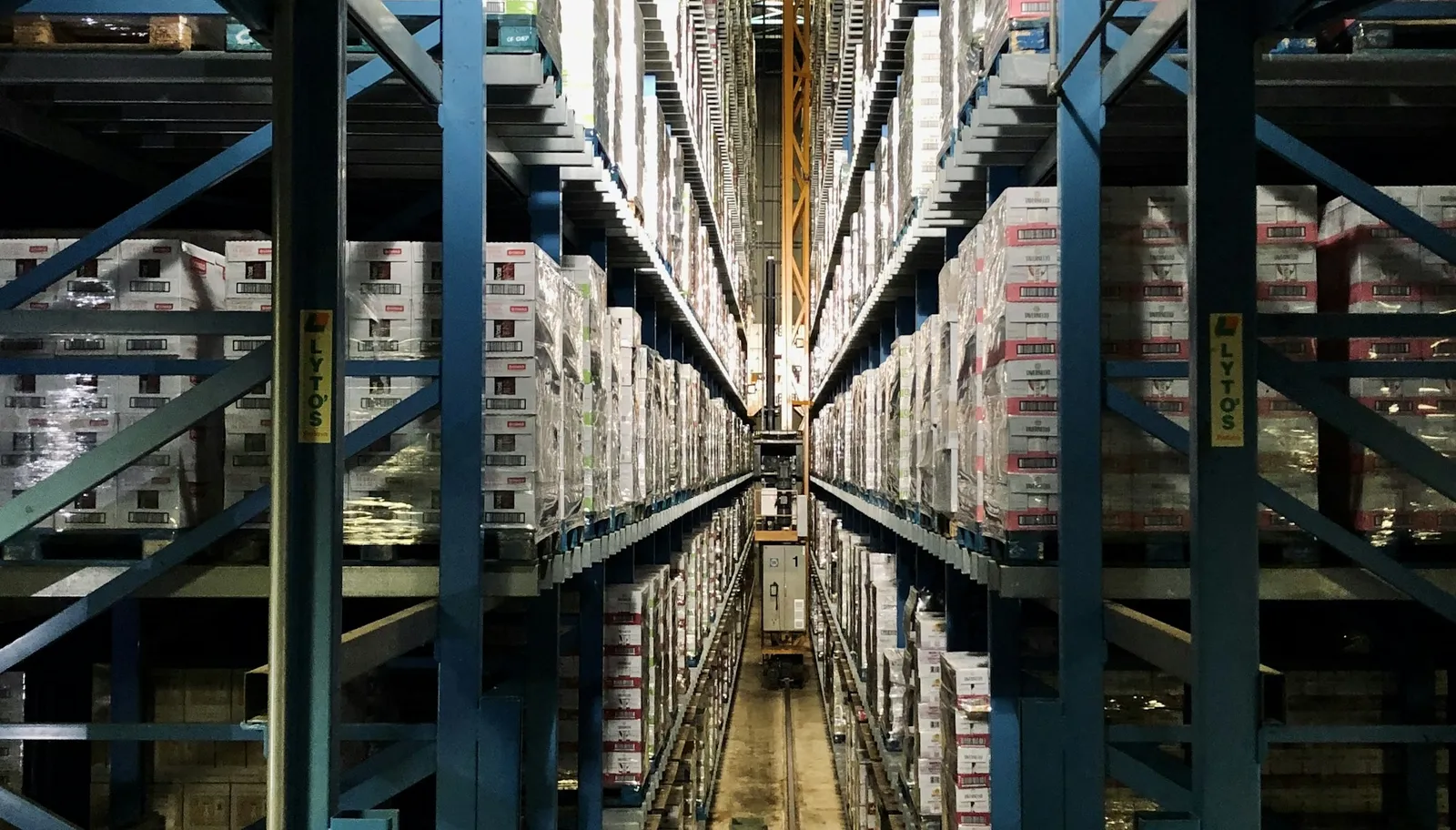
In private label, the brand named on the label and the contract manufacturer each hold half of what a recall needs. The manufacturer holds the batch records, component lots, test results and reserve samples. The brand often holds the customer list: retailers, distributors, Amazon or DTC orders. FDA's 2022 guidance says distribution records should be kept by the recalling firm so affected product can be found, and that a U.S. firm should contact an FDA Division Recall Coordinator (FDA, 2022).
Agree on roles in writing before your first run, not during a crisis: who contacts FDA, who notifies accounts, who pays for retrieval and destruction, and how fast the manufacturer will send lot records. A certificate of analysis for every lot also makes it much faster to show which batches are affected and which are clean.
Have a product in mind? Ask us directly.
Ready to price your product? Start a Project →
How do you get recall-ready? The Code–Map–Notify–Verify method
- 1.Code. Put a legible lot code on every unit and case, including cosmetics, where it's advised rather than required. FDA's guidance says to use “sufficient coding” so lots can be positively identified.
- 2.Map. Keep distribution records that link each lot to every account and ship date, whether or not the law requires them. Ask your 3PL and marketplaces what lot data they can export.
- 3.Notify. Write the procedure now: who decides, who calls FDA, and draft templates for account notices and a press release. FDA recommends keeping templates ready so communications go out promptly.
- 4.Verify. Run a mock recall: pick one lot and trace it from raw materials to customers. FDA says mock recalls familiarize staff with the process and help confirm readiness.
(Method steps follow FDA's March 2022 voluntary recall guidance.)
Recall-ready checklist (printable)
- Lot code on every unit and shipping case (supplement lots must be assigned one; OTC lot numbers must trace the batch history; cosmetics: advised)
- Lot code format agreed with your manufacturer and printed in the same place on every SKU
- Expiration or “best by” date printed only where testing supports it (required for OTC drugs)
- Distribution records linking lot → account → ship date, including 3PL and marketplace orders
- Written recall procedure naming the decision-maker and the person who contacts FDA
- Draft notification letter and press release templates on file
- Supply agreement states recall roles, cost sharing and how fast lot records are delivered
- COA and batch record available for every lot you've sold
- Supplements: reserve samples identified by lot and held for the required period
- One mock recall completed, with the time it took recorded and gaps fixed
Preparing for retail? See what retailers require before they stock your product.
Glossary
- Lot (batch) code: the identifier that ties a unit to a specific production run and its records.
- Class I / II / III recall: FDA's ranking of a recall by health risk, from most to least serious.
- Market withdrawal: removal or correction of a product with a minor violation that wouldn't be subject to FDA legal action.
- Mandatory recall: a recall FDA orders under specific laws (section 423 for food, including supplements; section 611 for cosmetics).
- Responsible person (MoCRA): the manufacturer, packer or distributor whose name appears on a cosmetic's label.
- Reserve sample: retained units of each supplement lot, kept for testing if questions come up later.
- Mock recall: a practice trace of one lot from components to customers, used to test recall readiness.
Frequently asked questions
Does a private label cosmetic legally need a lot code?
No. FDA says lot numbering is not required by law for cosmetics, but it advises coding that allows positive lot identification so a recall can target the right lots (FDA).
Can FDA force a supplement recall?
Yes. Under section 423, FDA can order a recall of a supplement it believes is adulterated, or misbranded for undeclared allergens, and likely to cause serious harm or death. It must first offer the responsible party the chance to recall voluntarily (FDA).
What's the difference between a recall and a market withdrawal?
A recall involves a product that violates FDA rules and is classed I, II or III by risk. A market withdrawal covers a minor violation that wouldn't be subject to FDA legal action (FDA).
How long must supplement reserve samples be kept?
For 1 year past the shelf-life date if you use shelf-life dating, or otherwise 2 years from distribution of the last batch, identified by lot number (21 CFR 111.83, via FDA's compliance guide).
Who should contact FDA if my product needs a recall?
FDA's guidance says a U.S. recalling firm should contact an FDA Division Recall Coordinator. Agree in your supply agreement whether that's the brand or the manufacturer, and get help planning your launch if you're unsure.
Have a product in mind? Ask us directly.
Can You Put “Made in USA” on a Private Label Supplement or Skincare Product? The FTC’s “All or Virtually All” Test, Qualified Claims and a Checklist
Can a private label supplement or skincare product say Made in USA? The FTC’s 3-part test, qualified claims, California’s rule and a sourcing checklist.
Read the article →What Changes When You Scale a Private Label Supplement or Skincare Product From Your First Run to 10,000+ Units?
What changes when you scale a private label supplement or skincare product past your first run: batch records, FDA listings, lead times and per-unit cost.
Read the article →Can a Spa or Med Spa Launch Its Own Private Label Skincare Line? Claims, Labels, MoCRA Rules and Minimums
How a spa or med spa launches its own skincare line: which claims make it a drug, what the label needs under MoCRA, professional-use rules and PMG minimums.
Read the article →Capsules, Tablets or Stick Packs? How to Choose a Private Label Supplement Format (Minimums, Testing and Label Rules)
Capsules, tablets or stick packs (sachets)? Compare minimums (from 1,000 units at PMG, varies by format), label wording, testing and FDA rules before choosing a format.
Read the article →What Do Retailers Require Before They Stock Your Private Label Supplement or Skincare Product? Barcodes, Insurance, Testing and Audits
Barcodes, liability insurance, FDA filings, test results and routing guides: the 6 checks retailers run before stocking your private label product.
Read the article →Does Your Private Label Supplement or Skincare Product Need a Prop 65 Warning? Who Decides, What It Says and the 2025 Short-Form Rules
Does your private label supplement or skincare product need a Prop 65 warning? Who's responsible, what it must say, the 2025 short-form rules and a checklist.
Read the article →How Long Does Stability Testing Take for a Private Label Skincare Product? Accelerated vs Real-Time, Challenge Tests and Shelf Life
Accelerated stability testing typically runs about 3 months at PMG, with real-time testing to confirm shelf life. What cosmetics and OTC drugs need.
Read the article →What Should a Supplement Certificate of Analysis (COA) Show? A Line-by-Line Guide for Private Label Brands
What a supplement certificate of analysis must show under 21 CFR 111: methods, limits, actual results, identity and heavy metals, plus a printable checklist.
Read the article →Which Certifications Should a Supplement or Skincare Manufacturer Have? cGMP, NSF, USP, Organic, Kosher and Halal Explained
Certifications a supplement or skincare maker needs: what FDA requires, what NSF, USP and ISO 22716 audits prove, and organic, kosher, halal rules.
Read the article →What Has to Be on a Private Label Supplement Label? Supplement Facts, Claims, Disclaimer and Allergens
What a private label supplement label must include: 5 required statements, Supplement Facts rules, the claims disclaimer, allergens and adverse event contact.
Read the article →Who Is the Responsible Person Under MoCRA When You Private Label a Cosmetic?
Under MoCRA, the company named on a private label cosmetic's label is the responsible person. See who registers, lists and reports adverse events.
Read the article →Is Your Massage Oil or Muscle Rub a Cosmetic or an OTC Drug?
When a massage oil becomes an OTC drug: claims, FDA M017 menthol and camphor levels, child-resistant packaging, Drug Facts, minimums and timelines.
Read the article →Can You Private Label Hotel Amenities? Body Wash, Shampoo and Lotion for Boutique Hotels and Spas
How boutique hotels and spas private label body wash, shampoo and lotion: minimums, timelines, state small-bottle laws and what the label must include.
Read the article →What Is a Pilot Batch, and Can Your First Production Run Be Under 1,000 Units?
Lab sample vs pilot batch vs first production run, why tiny runs cost more per unit, six realistic options below 1,000 units, and a downloadable readiness checklist.
Read the article →Can You Private Label Essential Oils and Aromatherapy Kits for Amazon?
How claims set the FDA category, what Amazon hazmat review needs, when caps must be child-resistant, and PMG's minimums.
Read the article →Can You Make Sugar-Free Pectin Gummies with Allulose?
How the gel changes without sugar, allulose vs sugar alcohols vs monk fruit and stevia, what a sugar-free label needs, and realistic minimums.
Read the article →How to Choose a Private Label Manufacturing Partner
10 questions to ask before you sign, plus a free evaluation checklist.
Read the article →MOQ and Manufacturing Volume: What Actually Matters
Why minimums exist, what they cost below volume, and how to plan a first run you can sell through.
Read the article →How Much Does It Cost to Manufacture Supplements?
A phase-by-phase breakdown of R&D, ingredients, production, packaging, and compliance costs.
Read the article →What Does It Take to Manufacture an OTC Acne Product?
Allowed actives and strengths, Drug Facts labeling, NDCs and registration, and realistic OTC minimums and timelines.
Read the article →Sources
- 1.FDA, Recalls Background and Definitions (content current as of March 20, 2026) https://www.fda.gov/safety/industry-guidance-recalls/recalls-background-and-definitions
- 2.FDA, Questions and Answers Regarding Mandatory Food Recalls (November 2018) https://www.fda.gov/regulatory-information/search-fda-guidance-documents/guidance-industry-and-fda-staff-questions-and-answers-regarding-mandatory-food-recalls
- 3.FDA, FDA Recall Policy for Cosmetics (content current as of October 22, 2026) https://www.fda.gov/cosmetics/cosmetics-recalls-alerts/fda-recall-policy-cosmetics
- 4.FDA, Initiation of Voluntary Recalls Under 21 CFR Part 7, Subpart C (March 2022) https://www.fda.gov/regulatory-information/search-fda-guidance-documents/initiation-voluntary-recalls-under-21-cfr-part-7-subpart-c
- 5.FDA, Small Entity Compliance Guide: Dietary Supplement CGMP https://www.fda.gov/regulatory-information/search-fda-guidance-documents/small-entity-compliance-guide-current-good-manufacturing-practice-manufacturing-packaging-labeling
- 6.FDA, Shelf Life and Expiration Dating of Cosmetics https://www.fda.gov/cosmetics/cosmetics-labeling/shelf-life-and-expiration-dating-cosmetics
- 7.21 CFR 111.415 https://www.ecfr.gov/current/title-21/section-111.415
- 8.21 CFR 201.18 https://www.ecfr.gov/current/title-21/section-201.18
- 9.21 CFR 211.137 https://www.ecfr.gov/current/title-21/section-211.137
- 10.SOCMA, Modernization of Cosmetics Regulation Act of 2022 summary https://www.socma.org/issue-summary-modernization-of-cosmetics-regulation-act-of-2022/
Private Label Product Recall-Ready Checklist
For private label supplements, skincare and OTC products
PDF · 1 page
About Product Management Group
PMG is a full-service private label manufacturing partner for skincare, nutraceuticals, supplements, personal care, and wellness brands. We handle everything from R&D and formulation through manufacturing, packaging, regulatory compliance, and fulfillment, working with FDA-registered, GMP-compliant partner facilities in Florida, North Carolina, Texas, Minnesota, and Arizona. We work with everyone from first-time founders to established retail brands, with minimums starting at 1,000 units.