Short answer: At PMG, accelerated stability testing typically runs about 3 months and supports an initial shelf-life claim, while real-time testing continues in parallel to confirm the final date. A preservative challenge test adds 28 days. Cosmetics have no federal shelf-life rule; OTC drugs such as sunscreen need an expiration date backed by stability data. [9]
Why does a private label skincare product need stability testing?
Stability testing, defined: Stability testing stores finished product, in the package it will be sold in, under set temperature and humidity conditions and checks it at planned intervals, so a brand can show how long the product keeps its look, performance and safety, and back the shelf life or expiration date it puts on the label.
Because products change on the shelf. FDA notes that cosmetics break down over time: preservatives can lose strength and let bacteria and fungi grow, and heat, sunlight and air can change color and texture. How long a product lasts "varies, depending on the type of product, how it is used, and how it is stored". [1]
For cosmetics, there is no federal rule that sets a shelf life. But FDA is clear that "manufacturers are responsible for making sure their products are safe" and that it "considers determining a product's shelf life to be part of the manufacturer's responsibility." [1] Under MoCRA, the responsible person (the manufacturer, packer or distributor whose name appears on the label, which for private label is often the brand) must also ensure and keep records supporting adequate safety substantiation for each cosmetic. [2] Stability data is a large part of that record. As PMG's testing and stability page puts it, a product without stability data has no defensible shelf-life claim. [9]
Key stats
- 0: U.S. laws or regulations require cosmetics to have specific shelf lives or expiration dates on the label. [1]
- 3 years: the stability, backed by data, that a narrow group of OTC drugs without dosage limits must show to fall under FDA's non-enforcement policy for expiration dates (21 CFR 211.137(h)). [4]
- 40°C / 75% RH for 6 months: the accelerated condition and minimum data period in ICH's guideline for new drug products. [5]
- 12 months: the minimum long-term data (25°C / 60% RH or 30°C / 65% RH) ICH expects at submission for a new drug product. [5]
- 28 days and 5 organisms: the length of the USP <51> preservative challenge test and the number of test microbes it uses. [8]
- 30 months: the EU line above which a cosmetic can show a period-after-opening symbol instead of a "best before" date (EU Regulation 1223/2009, Art. 19(1)(c)). [6]
How long does stability testing take?
There are two clocks, and they run at the same time:
- Accelerated stability: samples are held hotter than normal to stress the product. At PMG this typically runs about 3 months and supports the initial shelf-life claim. [9]
- Real-time (long-term) stability: samples sit at normal storage conditions and are checked at intervals until the full shelf life is reached. It runs in parallel and substantiates the final shelf-life claim once complete. [9]
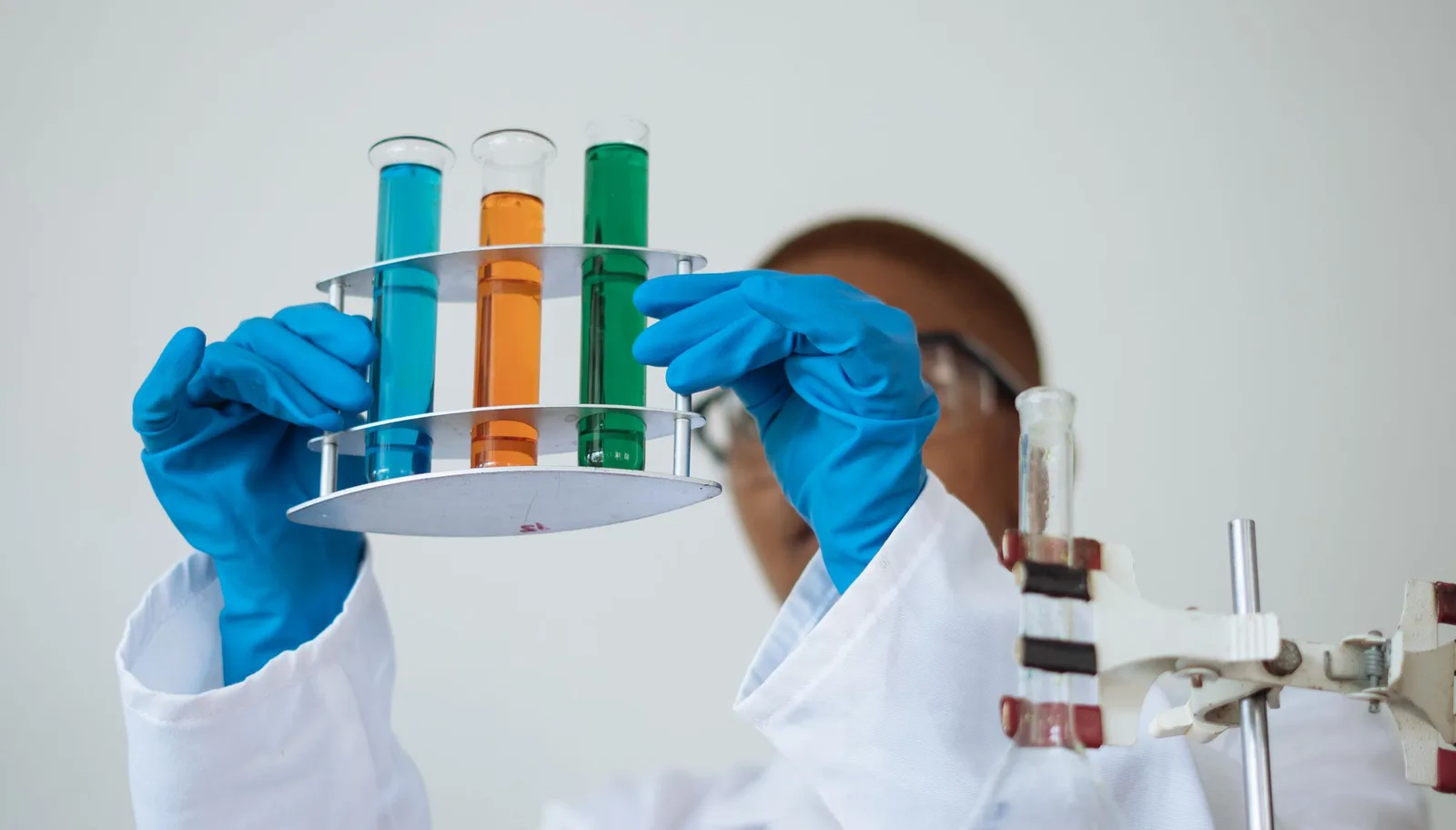
For comparison, ICH's guideline for new drug products asks for at least 6 months of accelerated data at 40°C ± 2°C / 75% RH ± 5% RH and 12 months of long-term data at submission, with accelerated checks at a minimum of three time points such as 0, 3 and 6 months. [5] That guideline was written for new drug registration applications, not cosmetics, but its storage conditions are a common reference point, and PMG coordinates ICH-compliant accelerated and real-time testing on every launch. [9]
Is stability testing different for a cosmetic and an OTC drug like sunscreen?
Yes. Once a product makes a drug claim (SPF, acne treatment, pain relief), drug rules apply. FDA's cosmetics page says drugs, "including those that are both drugs and cosmetics, must be tested for stability" and carry expiration dates. [1]
| Question | Cosmetic (e.g. moisturizer, body lotion) | OTC drug (e.g. SPF moisturizer, acne treatment) |
|---|---|---|
| Is a stability program required by regulation? | No specific rule; shelf life is the manufacturer’s responsibility and MoCRA requires safety substantiation records | Yes: a written stability testing program (21 CFR 211.166(a)) |
| Is an expiration date required on the label? | Not by U.S. law | Yes, determined by stability testing (21 CFR 211.137(a)), with a narrow exemption for some OTC drugs stable for at least 3 years |
| Can accelerated data set the date before real-time finishes? | At PMG, used to support an initial shelf-life claim while real-time testing continues | Accelerated data can support a tentative date only while full shelf-life studies are under way (21 CFR 211.166(b)) |
| Must testing use the final package? | Strongly advised (compatibility testing) | Yes: the same container-closure system as marketed (21 CFR 211.166(a)) |
| PMG timeline to first production | 60–90 days private label; 4–6 months custom | 90–150 days stock OTC; 4–6 months custom, not including regulatory or registration time |
Sources: FDA; 21 CFR 211.166; 21 CFR 211.137; PMG skincare and OTC pages. [1] [3] [4] [10] [11]
For drugs, the rule on early dates is specific: accelerated studies, combined with basic stability information on the components and the package, may support a tentative expiration date only if full shelf-life studies are not yet available and are being conducted, and testing must continue until the date is verified. [3] See PMG's sun care page for how SPF products are handled.
Have a product in mind? Ask us directly.
What tests are in a full stability program? The 4-Track Stability Plan
We think of a launch-ready stability program as four tracks that start together, not one test:
Sources: PMG Testing & Stability page; USP <51> via CPT Labs.
- 1.Track 1: Accelerated stability. Heat-stressed samples checked for parameters such as appearance, color, odor, viscosity, pH and packaging. [7] About 3 months at PMG; supports the initial shelf-life claim.
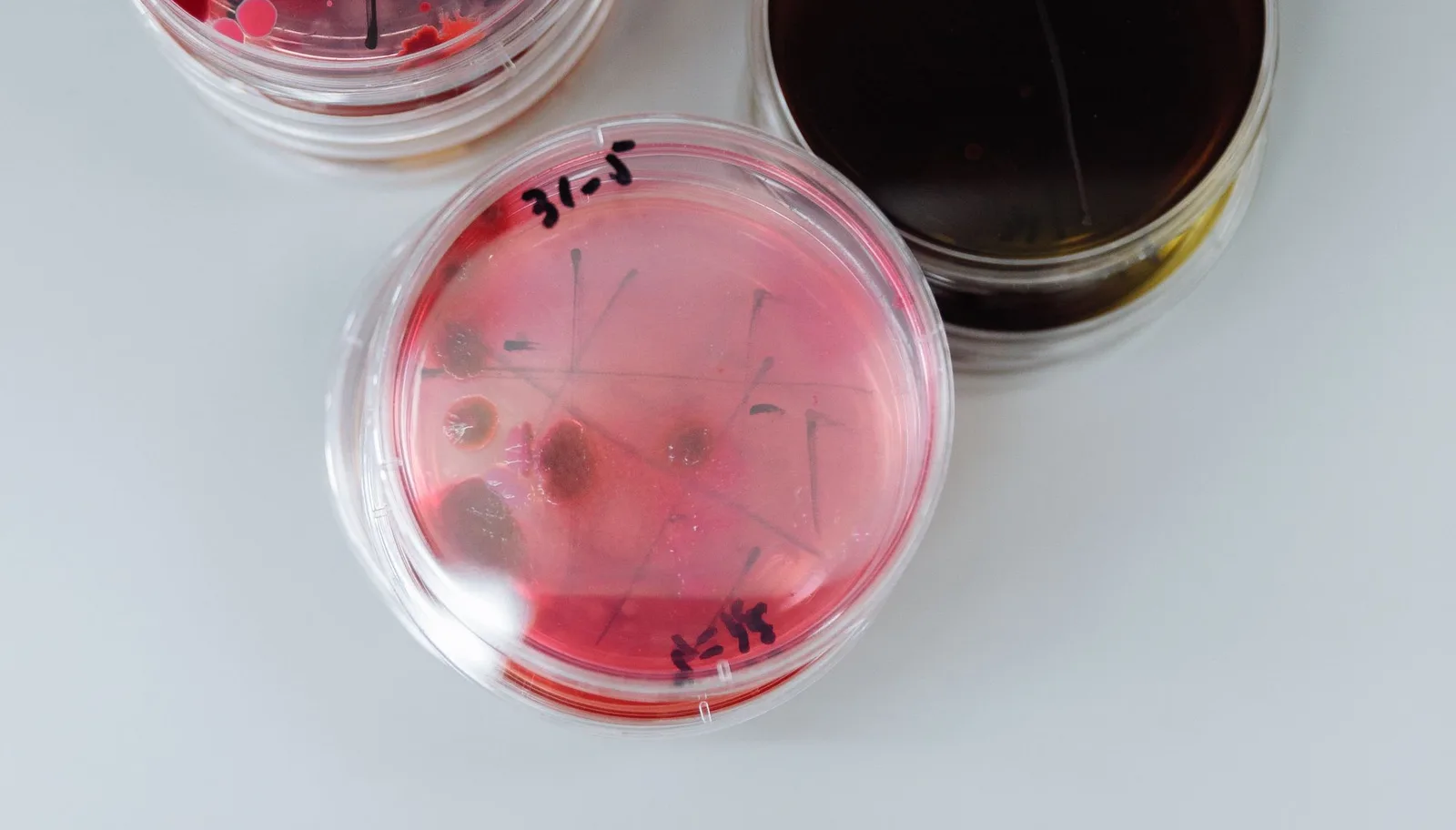
- 2.Track 2: Preservative challenge (USP <51>). The product is deliberately inoculated with five test organisms (S. aureus, P. aeruginosa, E. coli, C. albicans and A. brasiliensis), held at 20–25°C for 28 days, and sampled at 7, 14 and 28 days depending on product category. [8] The cosmetics industry's PCPC method has stricter acceptance criteria for topicals: a 3-log bacterial reduction by day 7, versus USP's 2-log reduction by day 14 for topical products. [8]
- 3.Track 3: Packaging compatibility. Does the formula react with the pump, tube or jar? Does the pump still dispense? PMG's testing menu lists compatibility testing for exactly this product-packaging interaction. [9] For drugs, testing in the marketed container-closure system is required (21 CFR 211.166(a)). [3]
- 4.Track 4: Real-time confirmation. Normal-condition samples checked at intervals until the full claimed shelf life is reached, confirming (or shortening) the date set from accelerated data.
Because accelerated testing takes about 3 months and a challenge test 28 days, Tracks 1–3 can fit within PMG's 4–6 month custom formulation timeline; Track 4 keeps running after launch. If you are planning a small first run, see What Is a Pilot Batch? for how pilot material can feed these tests.
What shelf life can you put on the label?
In the U.S., a cosmetic does not legally need a date at all, but whatever you claim should be backed by your data. An OTC drug must show an expiration date determined by stability testing and related to the storage conditions on the label (21 CFR 211.137(a)–(b)). [4] If you plan to sell in the EU, the rules differ: cosmetics lasting 30 months or less need a date of minimum durability, while longer-lasting products instead show a period-after-opening symbol (an open jar with a number of months) (EU Regulation 1223/2009, Art. 19(1)(c)). [6]
Printable checklist: is your stability file launch-ready?
Download the fillable checklist (PDF)
Before you launch
- Final formula version locked (a formula change may mean retesting)
- Final package chosen and used for all stability samples
- Accelerated stability started; initial results reviewed
- Real-time stability started on the same batch, with a check-in schedule
- Preservative challenge test (USP <51> or PCPC method) passed
- Compatibility results for pump, tube or jar reviewed
- Shelf-life or expiration claim matches the data (and storage statement, for OTC)
- For OTC: written stability program in place; any tentative date flagged for confirmation
- For EU sales: date of minimum durability or period-after-opening symbol decided
- All reports saved in your safety substantiation / product file (you own the data)
Frequently asked questions
Do cosmetics need an expiration date in the U.S.?
No. FDA says there are no U.S. laws or regulations requiring cosmetics to have specific shelf lives or expiration dates on their labels. The manufacturer is still responsible for safety and for determining shelf life. [1]
Can I launch before real-time stability testing is finished?
Often, yes. At PMG, accelerated testing supports an initial shelf-life claim while real-time testing continues. For OTC drugs, FDA rules allow a tentative expiration date from accelerated data only while full shelf-life studies are being conducted. [9][3]
How long does a preservative challenge test take?
USP <51> runs 28 days, with samples taken at 7, 14 and 28 days depending on the product category. [8]
Who owns the stability data?
At PMG, you do. All testing data and reports are delivered to you and become part of your product’s regulatory file. [9]
What is the minimum order for a private label skincare product?
PMG’s private label stock formulas start at 1,000 units; custom formulations typically start at 5,000 units. [10]
Glossary
- Accelerated stability: testing at raised temperature (and often humidity) to predict changes faster.
- Real-time (long-term) stability: testing at normal storage conditions for the full claimed shelf life.
- Challenge test / preservative efficacy test: deliberately adding microbes to see if the preservative system reduces them over time.
- Container-closure system: the package and its closure (bottle plus pump, tube plus cap).
- RH: relative humidity.
- Tentative expiration date: an OTC drug date set from accelerated data while full studies continue.
- PAO (period after opening): the EU open-jar symbol showing how many months a product stays good after opening.
- Safety substantiation: the MoCRA requirement to keep records showing a cosmetic is safe.
Have a product in mind? Ask us directly.
What Should a Supplement Certificate of Analysis (COA) Show? A Line-by-Line Guide for Private Label Brands
What a supplement certificate of analysis must show under 21 CFR 111: methods, limits, actual results, identity and heavy metals, plus a printable checklist.
Read the article →Which Certifications Should a Supplement or Skincare Manufacturer Have? cGMP, NSF, USP, Organic, Kosher and Halal Explained
Certifications a supplement or skincare maker needs: what FDA requires, what NSF, USP and ISO 22716 audits prove, and organic, kosher, halal rules.
Read the article →What Has to Be on a Private Label Supplement Label? Supplement Facts, Claims, Disclaimer and Allergens
What a private label supplement label must include: 5 required statements, Supplement Facts rules, the claims disclaimer, allergens and adverse event contact.
Read the article →Who Is the Responsible Person Under MoCRA When You Private Label a Cosmetic?
Under MoCRA, the company named on a private label cosmetic's label is the responsible person. See who registers, lists and reports adverse events.
Read the article →Is Your Massage Oil or Muscle Rub a Cosmetic or an OTC Drug?
When a massage oil becomes an OTC drug: claims, FDA M017 menthol and camphor levels, child-resistant packaging, Drug Facts, minimums and timelines.
Read the article →Can You Private Label Hotel Amenities? Body Wash, Shampoo and Lotion for Boutique Hotels and Spas
How boutique hotels and spas private label body wash, shampoo and lotion: minimums, timelines, state small-bottle laws and what the label must include.
Read the article →What Is a Pilot Batch, and Can Your First Production Run Be Under 1,000 Units?
Lab sample vs pilot batch vs first production run, why tiny runs cost more per unit, six realistic options below 1,000 units, and a downloadable readiness checklist.
Read the article →Can You Private Label Essential Oils and Aromatherapy Kits for Amazon?
How claims set the FDA category, what Amazon hazmat review needs, when caps must be child-resistant, and PMG's minimums.
Read the article →Can You Make Sugar-Free Pectin Gummies with Allulose?
How the gel changes without sugar, allulose vs sugar alcohols vs monk fruit and stevia, what a sugar-free label needs, and realistic minimums.
Read the article →How to Choose a Private Label Manufacturing Partner
10 questions to ask before you sign, plus a free evaluation checklist.
Read the article →MOQ and Manufacturing Volume: What Actually Matters
Why minimums exist, what they cost below volume, and how to plan a first run you can sell through.
Read the article →How Much Does It Cost to Manufacture Supplements?
A phase-by-phase breakdown of R&D, ingredients, production, packaging, and compliance costs.
Read the article →What Does It Take to Manufacture an OTC Acne Product?
Allowed actives and strengths, Drug Facts labeling, NDCs and registration, and realistic OTC minimums and timelines.
Read the article →Sources and references
- 1.U.S. FDA, Shelf Life and Expiration Dating of Cosmetics https://www.fda.gov/cosmetics/cosmetics-labeling/shelf-life-and-expiration-dating-cosmetics
- 2.U.S. FDA, Modernization of Cosmetics Regulation Act of 2022 (MoCRA) https://www.fda.gov/cosmetics/cosmetics-laws-regulations/modernization-cosmetics-regulation-act-2022-mocra
- 3.eCFR, 21 CFR 211.166 Stability testing https://www.ecfr.gov/current/title-21/chapter-I/subchapter-C/part-211/subpart-I/section-211.166
- 4.eCFR, 21 CFR 211.137 Expiration dating https://www.ecfr.gov/current/title-21/chapter-I/subchapter-C/part-211/subpart-G/section-211.137
- 5.ICH, Q1A(R2) Stability Testing of New Drug Substances and Products https://database.ich.org/sites/default/files/Q1A%28R2%29%20Guideline.pdf
- 6.EUR-Lex, Regulation (EC) No 1223/2009 on cosmetic products https://eur-lex.europa.eu/legal-content/EN/TXT/?uri=CELEX:32009R1223
- 7.Certified Laboratories, Accelerated Stability Testing for Cosmetics & OTC Products https://certified-laboratories.com/blog/accelerated-stability-testing-for-cosmetics-otc-products/
- 8.CPT Labs, Preservative Efficacy Testing: USP versus PCPC https://www.cptclabs.com/preservative-efficacy-testing-usp-versus-pcpc/
- 9.PMG, Product Testing & Stability https://productmgmtgroup.com/services/product-testing
- 10.PMG, Skincare & Beauty https://productmgmtgroup.com/industries/skincare-and-beauty
- 11.PMG, OTC & Specialty https://productmgmtgroup.com/industries/otc-and-specialty
Fact-checked: 32 claims verified against sources; 6 adjusted.
Stability Testing Checklist
A fillable 1-page checklist with The 4-Track Stability Plan and all 10 checks to confirm your stability file is launch-ready.
PDF · 1 page
About Product Management Group
PMG is a full-service private label manufacturing partner for skincare, nutraceuticals, supplements, personal care, and wellness brands. We handle everything from R&D and formulation through manufacturing, packaging, regulatory compliance, and fulfillment, working with FDA-registered, GMP-compliant partner facilities in Florida, North Carolina, Texas, Minnesota, and Arizona. We work with everyone from first-time founders to established retail brands, with minimums starting at 1,000 units.