Manufacturing in the USA vs overseas: what changes for your brand
For supplement and skincare brands rethinking overseas production, compare the full supply chain—not just the factory’s unit price.
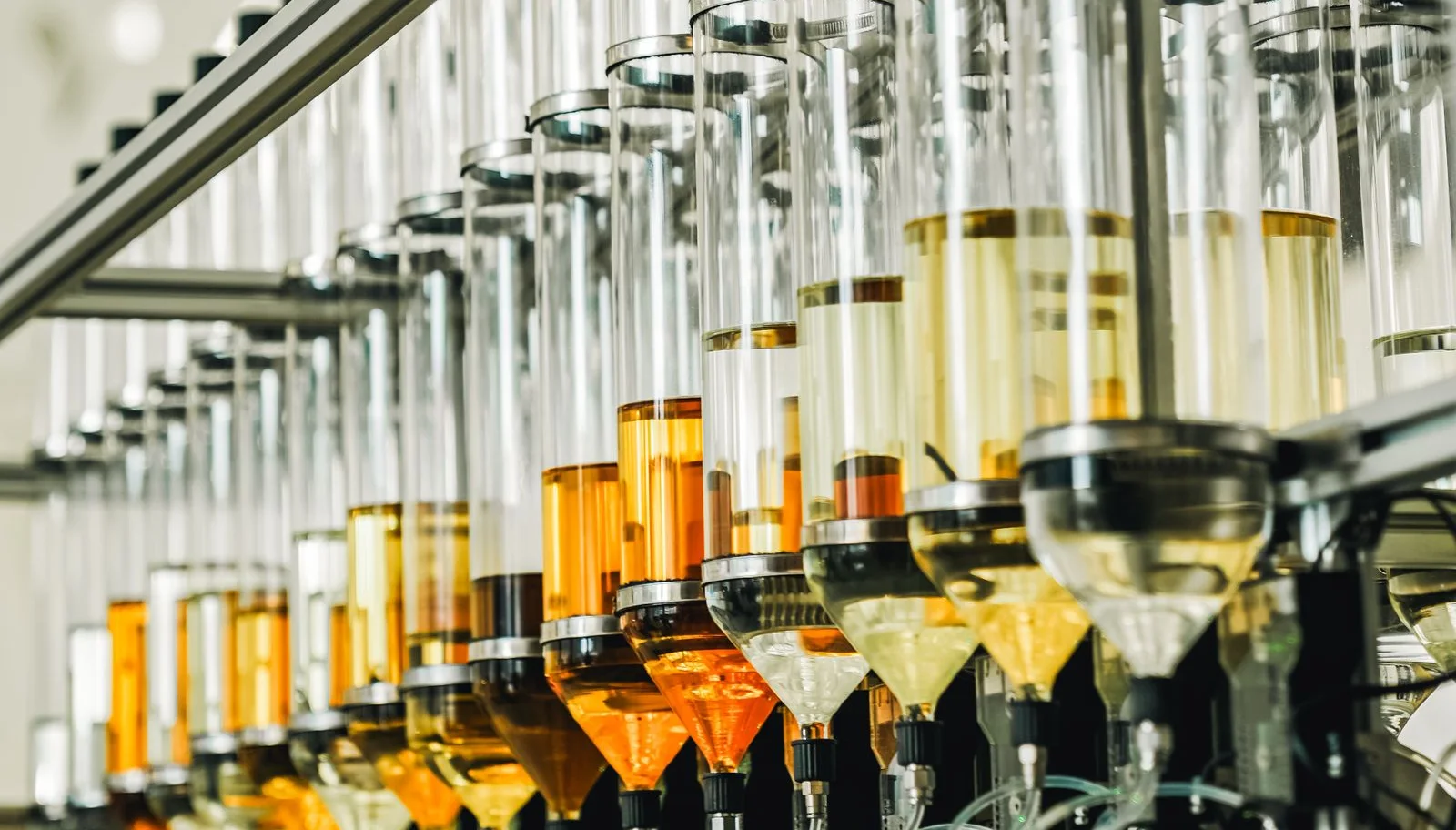
Photo by Wzm Pictures on Pexels
U.S. partner facilities vs overseas
| What to compare | U.S. partner facilities | Overseas |
|---|---|---|
| Minimums | PMG supplement minimums: from 1,000 finished units, varies by format. Confirm the individual product page for your format. | Confirm the supplier’s minimum for your formula, packaging and order size; do not assume a universal overseas minimum. |
| Lead times and volatility | Discuss production scheduling and material availability with the U.S. partner facility. Domestic production still depends on component supply and capacity. | Include production, international transit, customs clearance and possible shipping disruption in the plan. |
| Shipping and landed cost | Compare the manufacturing quote, domestic freight and any imported-input costs rather than unit cost alone. | Include freight, duties/tariffs, customs handling, inventory carrying cost and QC/rework risk. Rates depend on the product, origin and current rules. |
| FDA cGMP and MoCRA exposure | Dietary supplements must meet FDA cGMP requirements. Cosmetic products and facilities must meet applicable FDA requirements, including MoCRA registration and listing where required. | Offshore production does not remove U.S. requirements: supplements sold in the U.S. still need FDA cGMP compliance, and cosmetics need applicable FDA requirements and MoCRA facility registration/product listing, subject to exemptions. |
| QC oversight and site visits | A U.S. location can make coordinating oversight and visits easier. Confirm access, documentation and testing with the partner facility. | Plan travel, local support, inspection access and how you will review testing and batch documentation remotely. |
| Communication and time zones | U.S. working hours can simplify real-time conversations for U.S.-based brands. | Agree on working-hour overlap, language, escalation contacts and response expectations. |
| Made in USA claim eligibility | U.S. filling alone is not enough: the FTC’s all or virtually all test also considers significant processing and ingredient/component origin. | An overseas-made product cannot be treated as U.S.-made merely because the brand or distributor is based in the U.S. Review the actual origin and any proposed qualified claim. |
Finished units: bottles, sachets, pouches or boxes, depending on format. Custom formulations are quoted per project, typically starting at 2,500–5,000 units depending on format.
Tariff math
Use the same basis for each supplier: compare costs per finished retail unit, including the costs outside the factory quote.
Landed cost per finished unit = U + F + D + I + Q
- U: quoted manufacturing unit cost.
- F: freight and handling allocated per finished unit.
- D: applicable duties/tariffs allocated per finished unit.
- I: inventory carrying cost from the actual replenishment cycle, including longer lead times.
- Q: quality-control, rework and rejection risk allocated per finished unit.
U, F, D, I and Q are placeholder variables, not prices or tariff rates. Enter supplier quotes, applicable duties and your own operating assumptions.
Calculate L_US = U_US + F_US + D_US + I_US + Q_US and L_overseas = U_overseas + F_overseas + D_overseas + I_overseas + Q_overseas. Compare the two totals alongside the assumptions for delivery and quality, rather than treating a lower factory price as a lower landed cost.
The reshoring case for emerging brands
A lower format-specific minimum can reduce the inventory committed to a first run. A shorter shipping route can support faster reorders and easier QC coordination, while local conversations make it easier to review compliance responsibilities. Confirm each of these advantages for your actual formula and supply chain; domestic manufacturing does not remove testing or regulatory duties.